
Choosing the right drill bit is one of the most critical steps that determines speed, durability, and quality of work. Especially when working with hard materials like concrete, stone, wall, or floor, you will encounter two strong options:SDS Plus and SDS Max.
- So what is the difference between these two bits?
- In which situations should you choose which?
- Which bit is ideal for you?
In this guide, you can find the SDS system, the differences between SDS Plus and SDS Max, their areas of use, and the points to pay attention to when purchasing in a simple and clear manner.
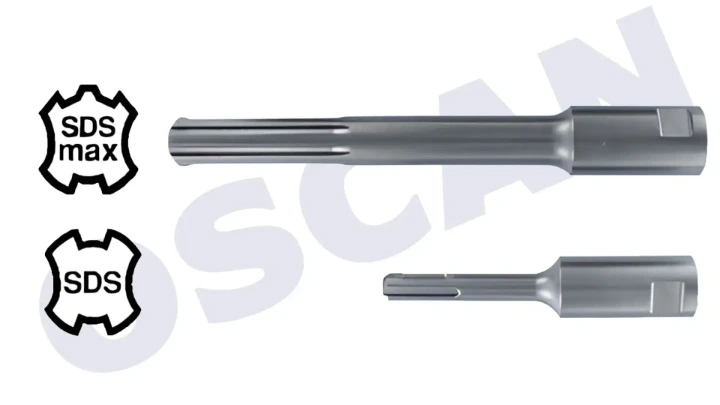
What is the SDS System?
SDS,“Slotted Drive System”means and is a special connection technology used in hammer drills.
Advantages offered:
Keyless, quick bit change
More effective transfer of impact power
Less vibration
More controlled drilling performance on tough surfaces
This is exactly why professionals prefer it.
What is SDS Plus?
SDS Plus, is the most preferred bit standard used in light and medium-duty hammer drills for everyday drilling tasks.
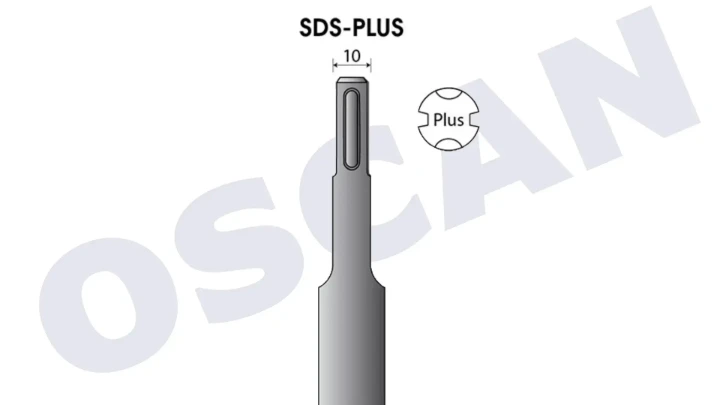
Technical Specifications
Shaft diameter: 10 mm
Number of grooves: 4
Drilling capacity: 4–26 mm
Where is it used?
Home renovation
Wall drilling
Shelf, frame, bracket installation
Electrical and plumbing holes
Small and medium-sized holes
Advantages
Economical
Light and fast
User-friendly
Ideal for professional and hobby work
Who is it suitable for?
Home users
Light renovation professionals
Those who frequently drill around 6–14 mm
What is SDS Max?
SDS Max, are heavy-duty drill bits used in high-power professional demolition hammers.
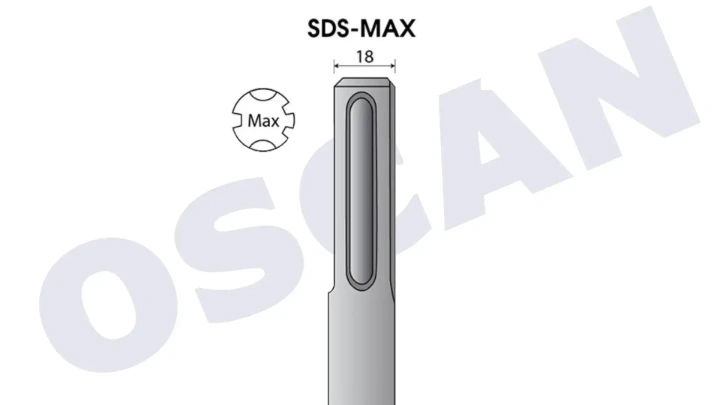
Technical Specifications
Shaft diameter: 18 mm
Wide groove structure
Drilling capacity: 18–52 mm+
Where is it used?
Concrete breaking
Large hole drilling
Channel opening
Construction demolition work
Rough renovations
Advantages
Ultra durable
High performance in large holes
The most efficient transfer of power
Longer tool and machine life
Who is it suitable for?
Professional craftsmen
Construction and demolition workers
Teams that break concrete and do heavy drilling
SDS Plus vs SDS Max: Comparison
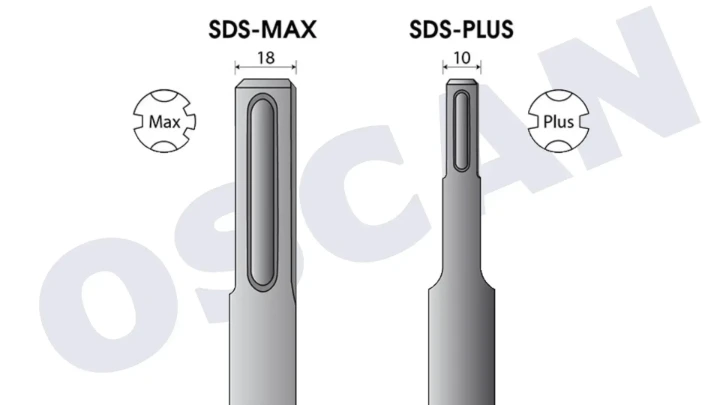
| Feature | SDS Plus | SDS Max |
|---|---|---|
| Shaft Diameter | 10 mm | 18 mm |
| Drilling Capacity | 4–26 mm | 18–52 mm+ |
| Machine Type | Light/Medium duty | Professional/High power |
| Application Area | Renovation, assembly, drilling | Demolition, heavy drilling |
| Weight | Light | Heavy |
| Target User | Home & craftsman | Professional |
| Price | Affordable | Higher |
Common Mistakes
Using the wrong bit on the wrong machine
SDS Max bits cannot be used on SDS Plus machines. (Even with an adapter, performance will degrade.)
Using unnecessary SDS Max for small jobs
The machine overheats, becomes tiring, and energy is wasted.
Not choosing the right bit for the surface
Different bit types should be used on surfaces like concrete, stone, and brick.
Which one should you choose?
SDS Plus is the right choice for you if:
You are doing home renovations
You are drilling holes around 6–14 mm
You are using a lighter machine
You are looking for an economical solution
SDS Max is the right choice for you if:
You have concrete breaking work
You are drilling large diameter holes
You are using a professional breaker-drill
You are in the construction or demolition industry
Choosing the right drill bit increases job safety and reduces work time. When you make the right decision based on the type of work you are doing and your machine, you can work much more efficiently.