
One of the most common questions we encounter when dealing with repair work at home or in the workplace is: "Should I use silicone or mastic?" Although both are used for filling and sealing tasks, they differ in their functions, advantages, and areas of use. Choosing the wrong material can reduce the quality of the work and lead to problems in the long run.
Imagine: You applied an inappropriate material to the edge of the bathroom and encountered cracking or water leakage problems within a few months. Or you used an inadequate filler to fill a deep crack, weakening the structural integrity. Knowing the differences between silicone and mastic is critical to prevent such situations.
In this article, we will detail the fundamental differences between silicone and mastic, their areas of use, advantages, and which material to choose in which situations. We will also share tips to consider before and after application. This way, you can make the right choice in every area, from small home repairs to large construction projects, achieving both durable and aesthetic results.
What is Silicone?
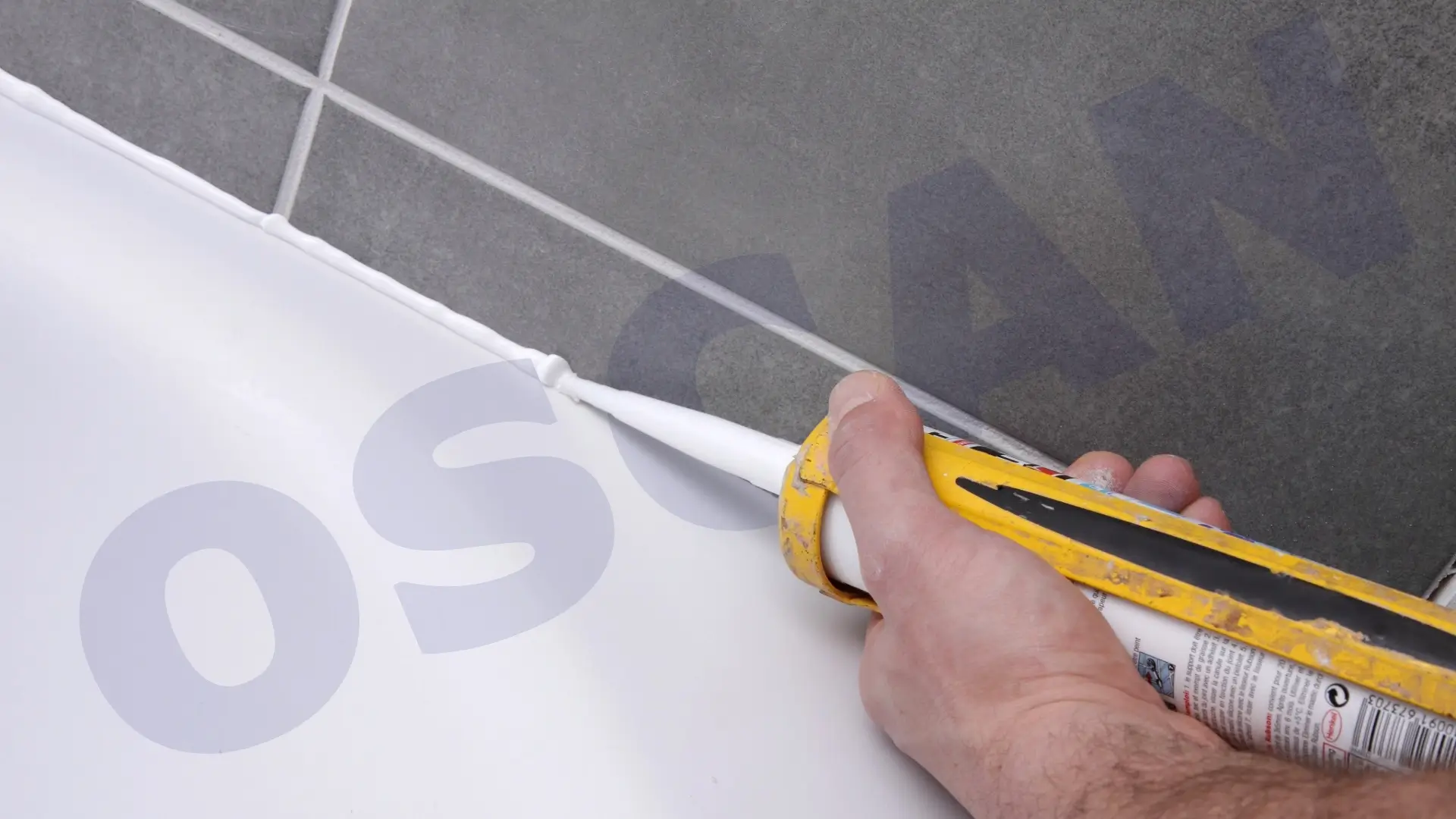
Silicone is a flexible, durable, and water-resistant sealing and filling material. It is one of the most preferred materials in homes and workplaces because it offers both aesthetic and functional advantages.
Key features:
Flexibility: Even after drying, silicone retains its flexibility, does not crack, and adapts to surface movements. Thanks to this feature, it is an ideal solution for window edges, door frames, or the joints of bathroom and kitchen cabinets.
Water and Moisture Resistance:It provides sealing in areas exposed to water. It offers long-term protection at shower stalls, sinks, and kitchen countertop edges.
Longevity and Durability:Silicone can last for years under suitable conditions and maintains its appearance. Colored or transparent options allow you to achieve an aesthetic result.
Easy Application:It can be applied with a caulking gun and is quite easy to clean after it dries.
Example usage scenarios:
Providing water sealing at the edges of bathrooms and shower stalls
Filling gaps in window and door frames
Creating both an aesthetic and functional filler at the edges of the kitchen countertop
What is Mastic?
Mastic is a material primarily used in construction and building work, known for its strong adhesion and filling capacity. It is effectively used on hard surfaces such as concrete, ceramics, metal, and wood.

Key features:
Adhesion:Mastic adheres strongly to hard surfaces. This is a critical property for ensuring structural integrity, especially in construction and renovation work.
Filling Capacity:It can fill deep cracks or voids, thus providing both durability and safety.
Various Types:There are types such as polyurethane, acrylic, and silicone mastic. Each type has its own specific application area and advantages.
Outdoor Durability:Polyurethane mastics are resistant to UV rays and weather conditions; therefore, they are often preferred for exterior applications.
Example usage scenarios:
Filling deep cracks in concrete or brick walls
Adhering or sealing metal or wooden surfaces together
Providing durable filling and sealing in exterior applications
Key Differences Between Silicone and Mastic
| Feature | Silicone | Mastic |
|---|---|---|
| Flexibility | High. It retains its flexibility even after drying; it adapts to surface movements. This minimizes the risk of cracking in moving surfaces such as window edges or bathroom joints. | Medium - low. The mastic has limited flexibility after drying. It is suitable for filling deep cracks but is not as durable against surface movements as silicone. |
| Water Resistance | Very high. It is resistant to water and moisture, providing long-term protection in areas such as shower cabins and sinks. | Varies by type. Polyurethane mastic is water-resistant, while acrylic mastic may not be sufficiently effective in humid areas. |
| Application Areas | Areas requiring aesthetics and sealing, such as bathrooms, kitchens, and window and door edges. | Filling and bonding works for construction and hard surfaces; used on surfaces like concrete, metal, and wood. |
| Drying Time | Fast. Dries within approximately 24 hours and integrates with the surface. | Medium - long. The drying time ranges from 24 to 48 hours depending on the type and environmental conditions. Longer times may be required for deep fillings. |
| Durability | Long-lasting. When applied correctly, it retains its effectiveness for years, with minimal color/shape distortion. | Medium - long. Durability varies depending on the type and surface; polyurethane mastic should be preferred for outdoor use. |
| Ease of Application | Easy. Applied with a cartridge gun, excess material can be smoothed with a damp spatula or finger, providing a clean and neat result. | Medium. Care should be taken in deep filling and structural applications. Cleaning excess material is not as easy as with silicone. |
When Should You Use Which?
1. Areas Exposed to Water
In areas such as bathrooms, kitchens, sinks, or shower edgessiliconeis always one step ahead. Its flexible structure and water resistance provide long-lasting sealing. Using silicone, especially around shower cabin edges or sink areas where water is in constant contact, helps prevent moisture and mold formation.
Tip:Water-resistant transparent silicones provide an aesthetic appearance, especially on ceramic and glass edges. You can match them with furniture and countertop colors using different color options.
2. Deep Cracks and Structural Filling
For filling deep voids in concrete, ceramic, metal, or wooden surfaces,masticis more suitable. Mastic adheres strongly to hard surfaces and provides structural integrity. Using mastic in large cracks or structural joints increases the durability of the surface and prevents cracking in the long term.
Example usage:
Filling deep cracks in exterior facades
Sealing voids in concrete floors or walls
Adhering and reinforcing wooden or metal parts
3. Areas Requiring Aesthetic and Smooth Appearance
On glass, ceramic, or kitchen countertop edges,silicone, provides a clean and smooth appearance. Mastic is not as aesthetically advantageous as silicone, especially since it is designed for structural filling. If your goal is to achieve sealing without compromising appearance, using silicone is more appropriate.
Tip:Applying silicone with small brushes or a damp spatula ensures that the edges look smooth and professional.
4. Outdoor Use
Both materials can be used outdoors; however, their properties differ:
Polyurethane sealant:It is resistant to UV rays, rain, and weather conditions; ideal for exterior facades, crack filling, and structural sealing.
Silicone:While it is highly effective against water and moisture, some types may yellow when exposed to direct sunlight for extended periods.
Tip:For outdoor use, always choose products specified by the manufacturer as UV resistant or suitable for outdoor use.
Tips Before and During Application
1. Prepare the Surface
It is very important that the surface is clean, dry, and free of dust before applying silicone or sealant. Dirty or damp surfaces prevent adhesion and reduce durability.


2. Smooth the Material
Use a spatula or a damp finger to smooth out excess material. This allows you to achieve an aesthetic and even result.
3. Pay Attention to Drying Time
Do not stress the surface before the drying time is complete. Silicone typically dries in 24 hours, while sealant can take 24–48 hours depending on the type.


4. Use the Right Equipment
Equipment such as a caulking gun and spatula makes application easier and ensures a flawless result.
Conclusion
Although silicone and sealant are materials used for similar purposes,they differ in terms of their applications and properties.Choosing the right material ensures a long-lasting and aesthetic result.
Silicone: Ideal for flexible, waterproof, and aesthetic fillings.
Mastik: Ideal for structural filling and strong adhesion on hard surfaces.
Knowing these differences helps you make the right choice in every area, from small home repairs to large construction projects. Preparing the surface before application, applying the material correctly, and paying attention to the drying time are the keys to achieving quality and durable results.
Crafting Beautiful Spaces
Designing elegant, inviting environments that inspire and delight.